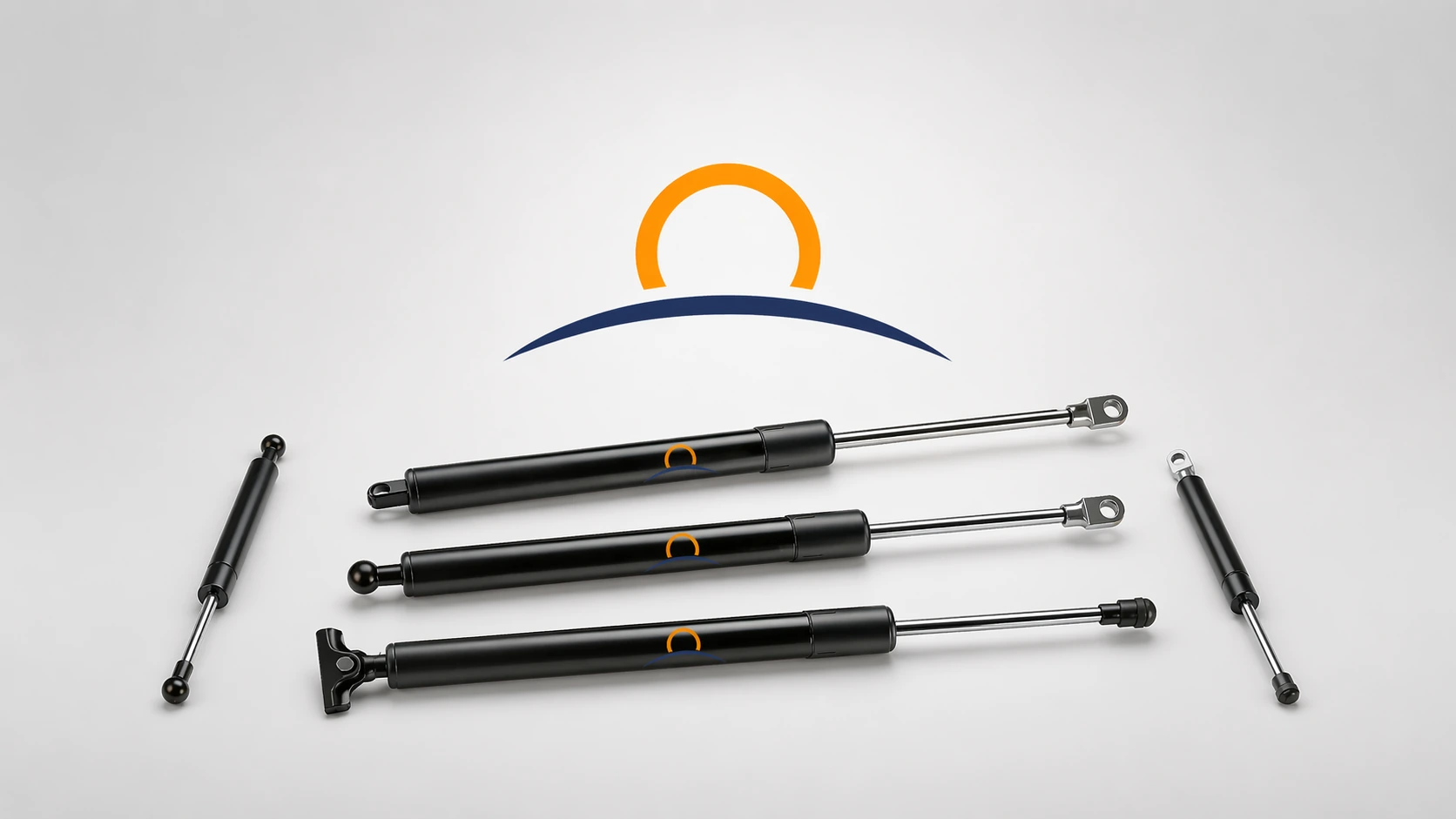
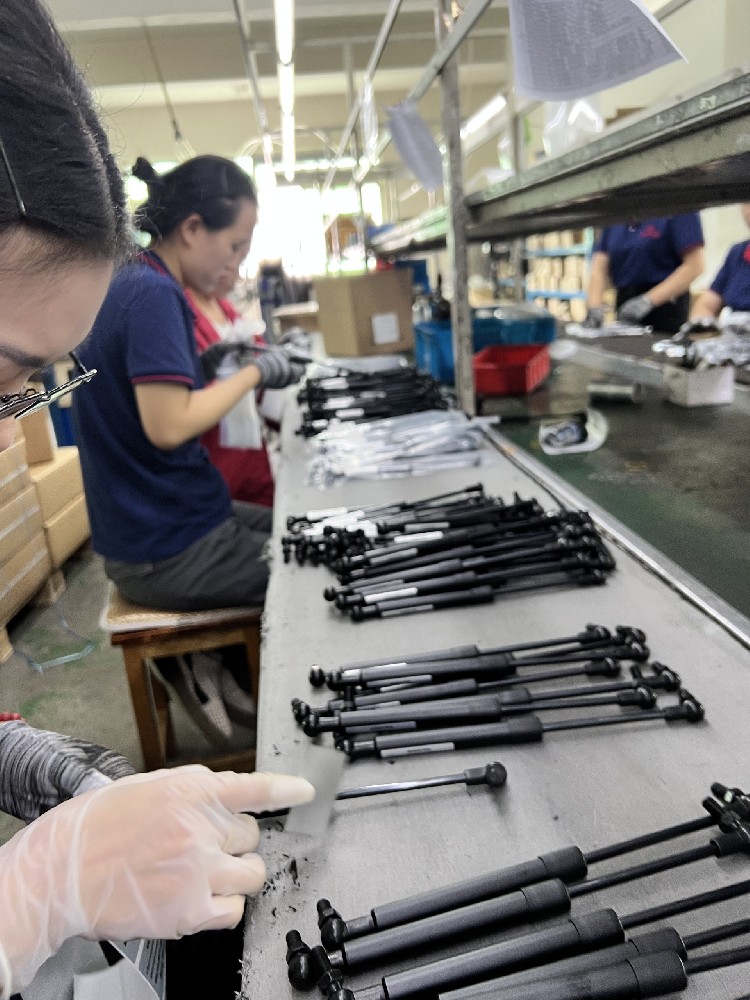
How Does a Gas Spring Work? A Practical Guide for OEM Buyers
Learn how a gas spring works, what produces extension force, and why OEM buyers should specify motion, mounting geometry and holding functions separately.
Read the article →Gas spring applications, product details and practical information for business buyers.
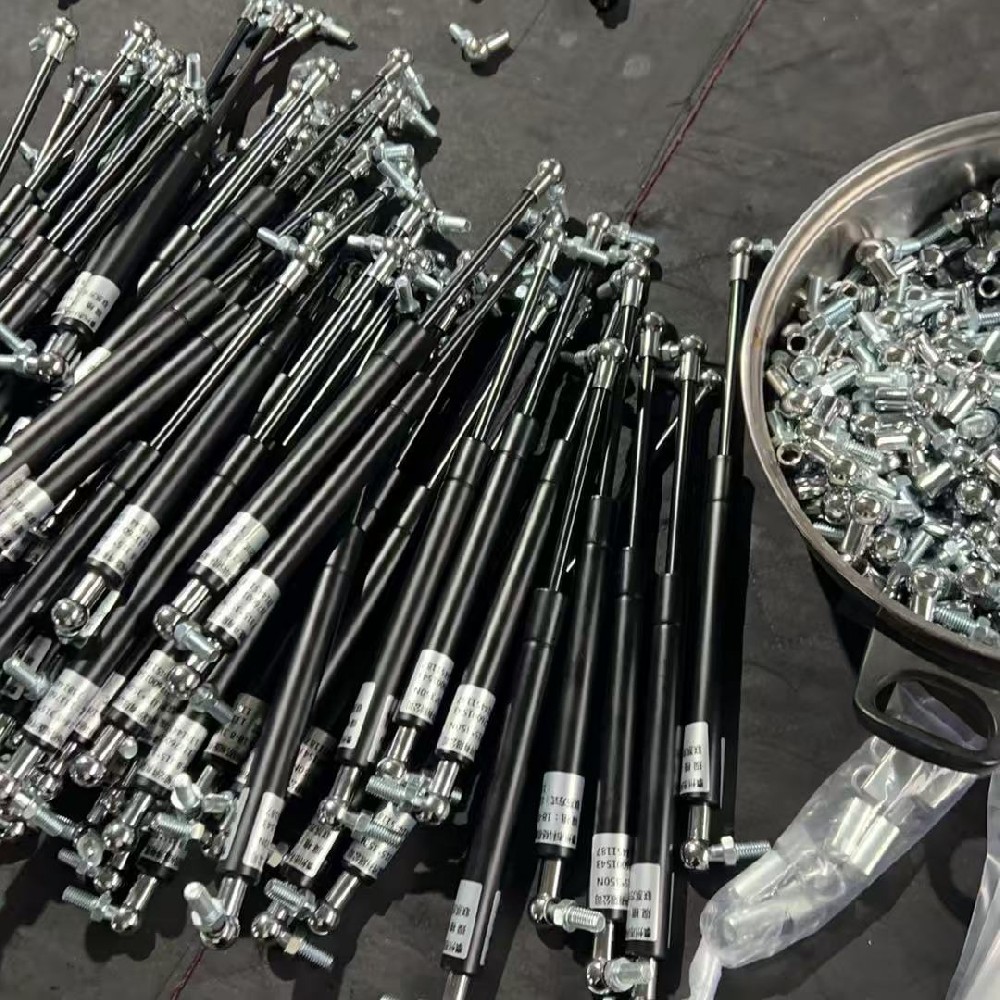
Learn how a gas spring works, what produces extension force, and why OEM buyers should specify motion, mounting geometry and holding functions separately.
Read the article →
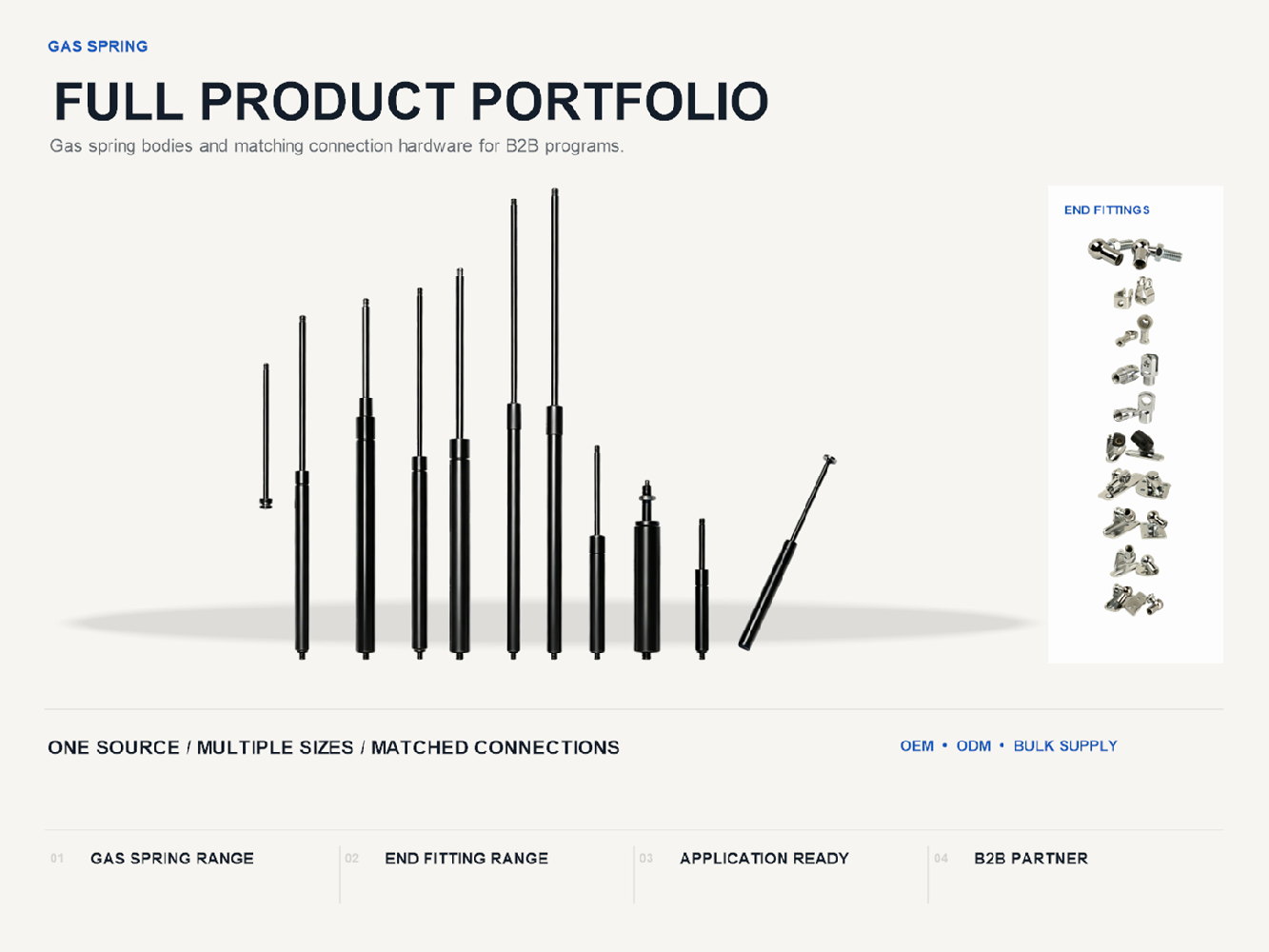
Avoid gas spring part-number mix-ups in bulk orders. Separate force and date codes, confirm drawing revisions, and agree unit and carton identification.
Read the article →
Review gas spring interchangeability before merging OEM part numbers. Check push or pull action, locking behaviour and release controls for each application.
Read the article →
Align gas spring dimensions, force measurement conditions and tolerances before incoming inspection. A practical guide for OEM buyers and distributors.
Read the article →
Gas spring force and damping change with temperature. Learn what OEM buyers should specify and validate when indoor samples face real operating conditions.
Read the article →
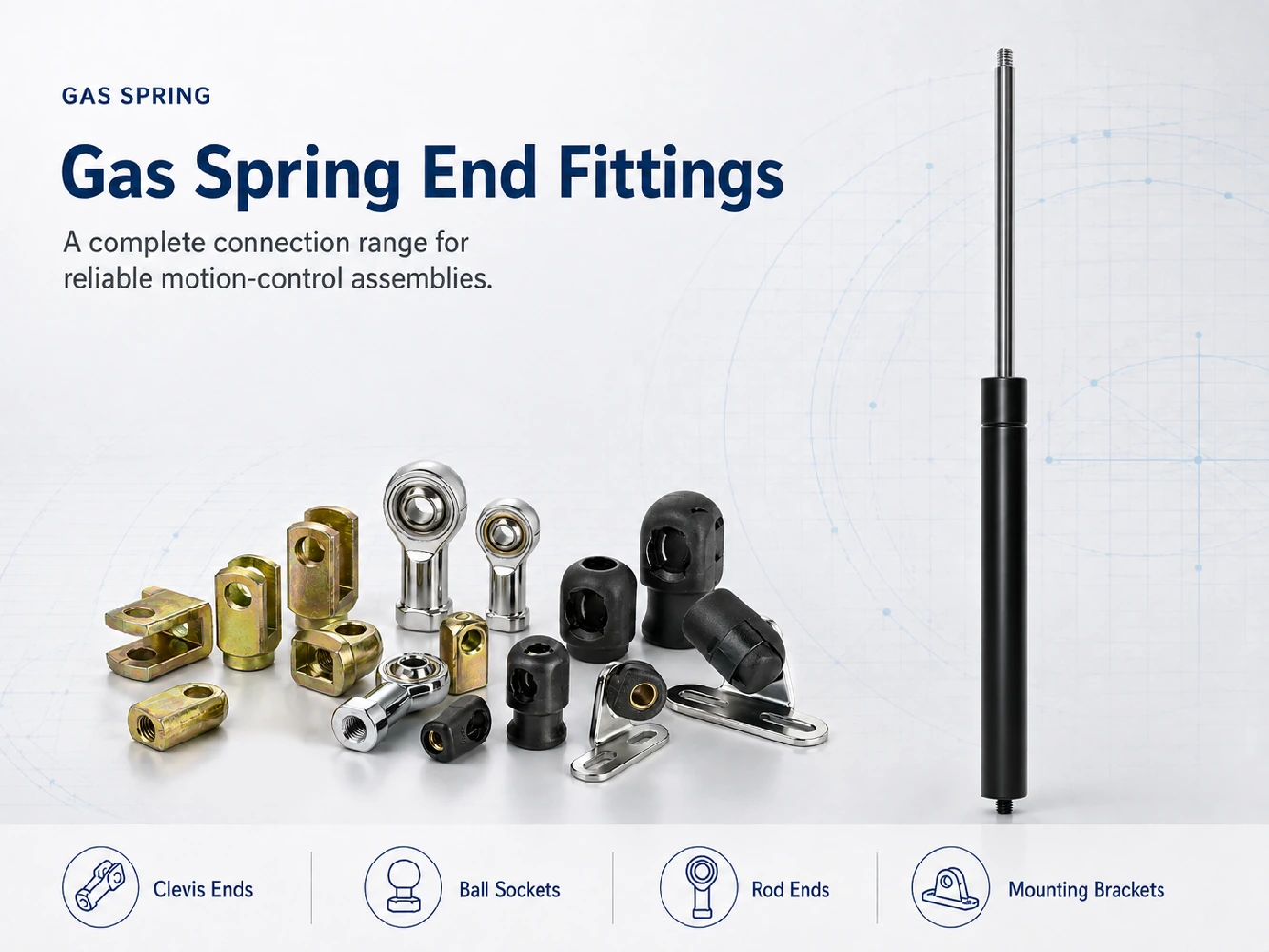
Replacing a gas strut? Check end-fitting dimensions, assembled length, joint movement and matching hardware to help avoid ordering errors and installation rework.
Read the article →
Prepare clearer gas spring RFQs with four checks covering quality evidence, dimensions, sample acceptance and order terms for OEMs and distributors.
Read the article →
Learn why custom gas spring force, stroke, length and end fittings matter when matching installation space, load requirements and different product designs.
Read the article →
Why sourcing gas springs by application rather than catalog parameters reduces sample revisions, installation rework and repeat-order problems.
Read the article →
Where stainless steel gas springs make sense: humidity, washdown, outdoor and marine exposure, and when standard steel is still the practical choice.
Read the article →
Standard vs lockable gas springs: how lift support differs from position locking, typical applications, and how to avoid over-specifying.
Read the article →
Choosing gas spring force and stroke: why hinge position, center of gravity, opening angle and mounting space matter more than a catalog force value.
Read the article →
How gas springs support car hoods, trunk lids and tailgates, and why panel weight, hinge position and mounting angle decide the right force.
Read the article →
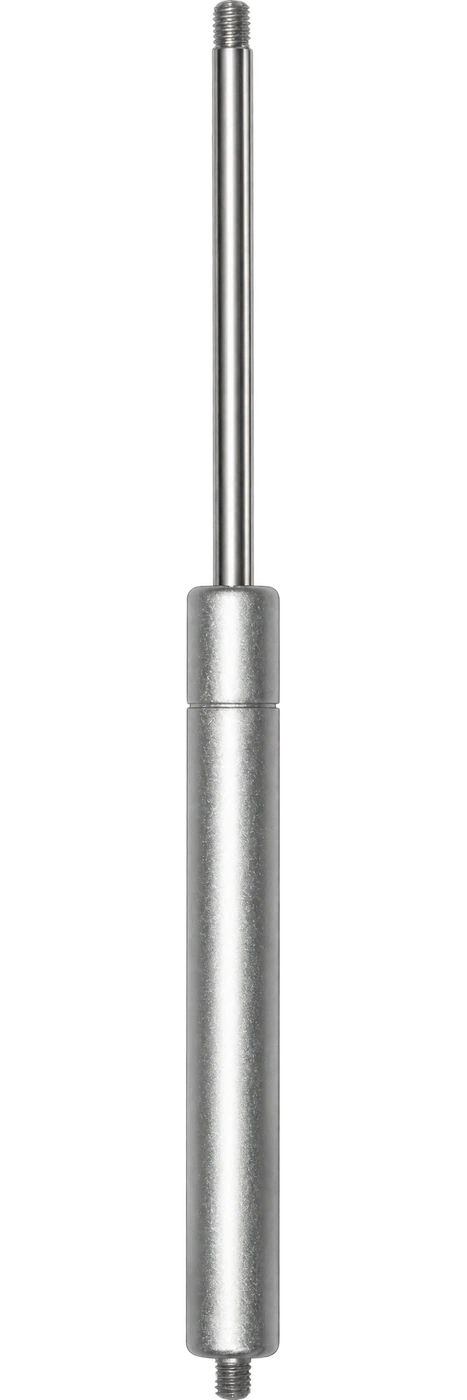
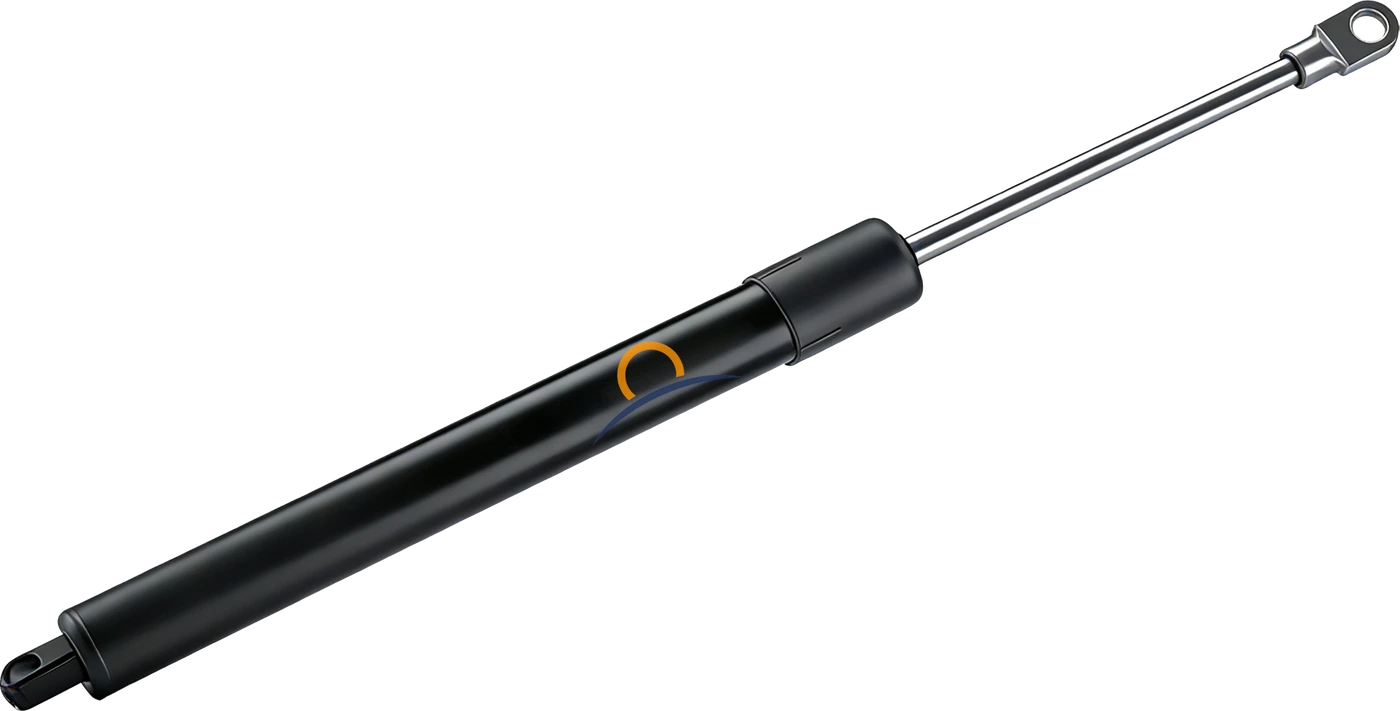
How a gas spring works: pressure tube, piston rod, seals and gas charge, the main gas spring types, and what to check when selecting one.
Read the article →
When a lockable or stainless steel gas spring makes sense: position holding, corrosion exposure, cleaning conditions, and projects that need both.
Read the article →
What to include in a gas spring inquiry: application photos or drawings, approximate dimensions, force, end fittings and the operating environment.
Read the article →
Standard or custom gas spring? When a standard model is enough, when a custom length, force or end fitting is needed, and how to decide early.
Read the article →
How to match a gas spring to its application: panel weight, mounting points, opening angle, force, stroke and end fittings to confirm before ordering.
Read the article →