Stainless steel gas springs are used when the application environment places higher demands on corrosion resistance, cleanliness, or material stability. While standard steel gas springs remain the most common choice in general industrial and furniture applications, stainless steel versions become important in environments where humidity, washdown conditions, chemical exposure, or strict hygiene expectations can affect long-term performance.
This matters in sectors such as medical equipment, marine systems, food-related equipment, outdoor enclosures, and other applications exposed to moisture or aggressive surroundings. In these environments, material choice is not only about appearance. It directly affects service life, maintenance requirements, reliability, and the long-term condition of the final product. If the wrong material is used, corrosion or finish degradation may reduce both performance and customer confidence.
A stainless steel gas spring supports the same basic motion control functions as a standard gas spring: lifting, supporting, opening, and positioning assistance. The difference lies in how well the product resists environmental stress. For some buyers, this makes stainless steel gas springs a performance requirement rather than an optional upgrade. The application may not tolerate rapid corrosion, contamination risk, or frequent replacement cycles.
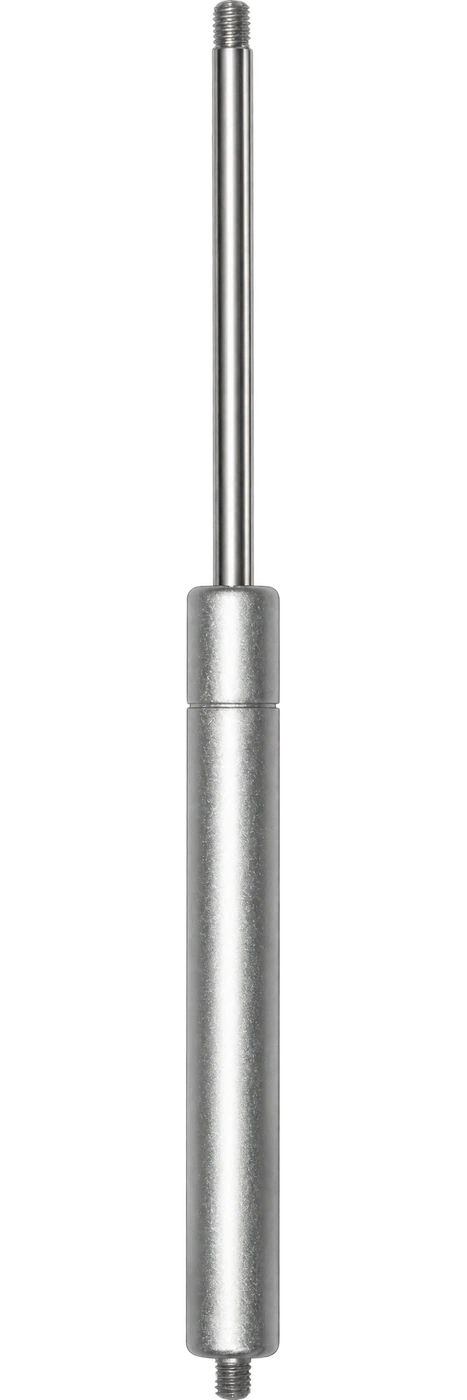
When deciding on a stainless steel gas spring, start with the environment and use case. Not every project needs stainless steel, and using it where it is not necessary may add cost without clear benefit. However, when the application is exposed to humidity, cleaning processes, outdoor weather, or hygiene-sensitive use, stainless steel becomes a practical and justifiable specification. The key is to match material selection with real operating conditions.
Buyers may know they need better corrosion resistance, but they may still need guidance on whether a stainless steel gas spring is the right choice for their mounting arrangement, force requirement, and usage profile. By connecting material choice to environment, product life, and maintenance expectations, the supplier can help the customer make a more informed decision.
To check whether your application needs stainless steel, send us the operating environment (indoor, outdoor, marine or washdown), any cleaning agents used, and the length, stroke, force and end fittings of the current part.