
 Automotive Gas Spring
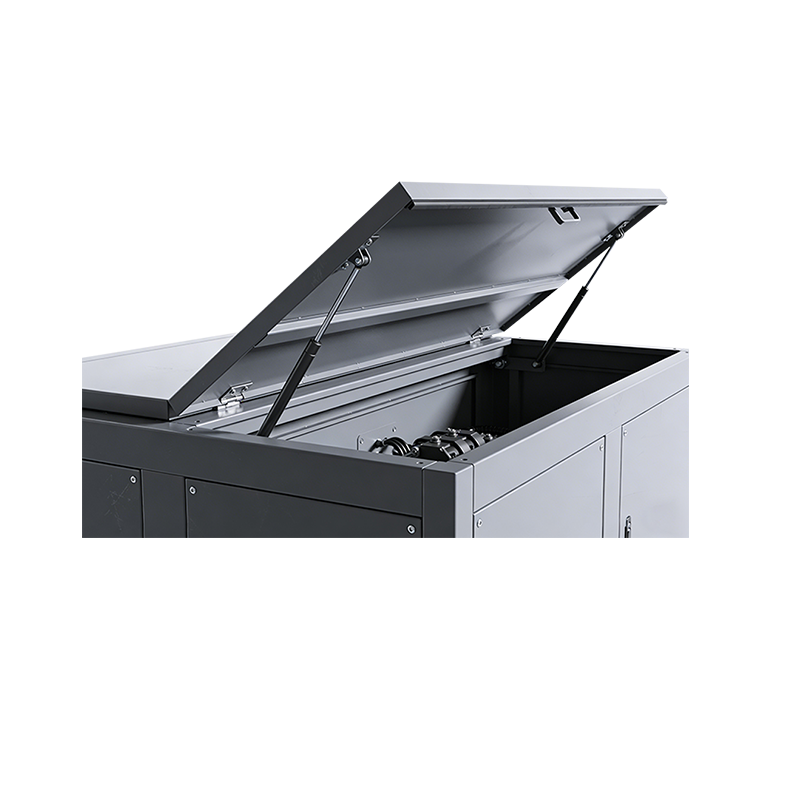 Industrial Gas Spring
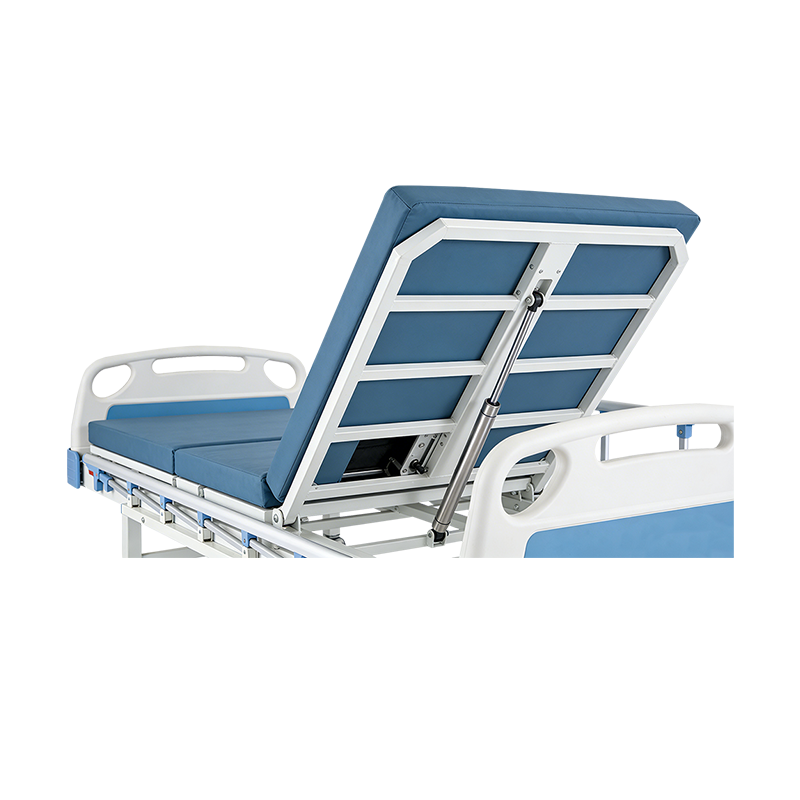 Medical Gas Spring
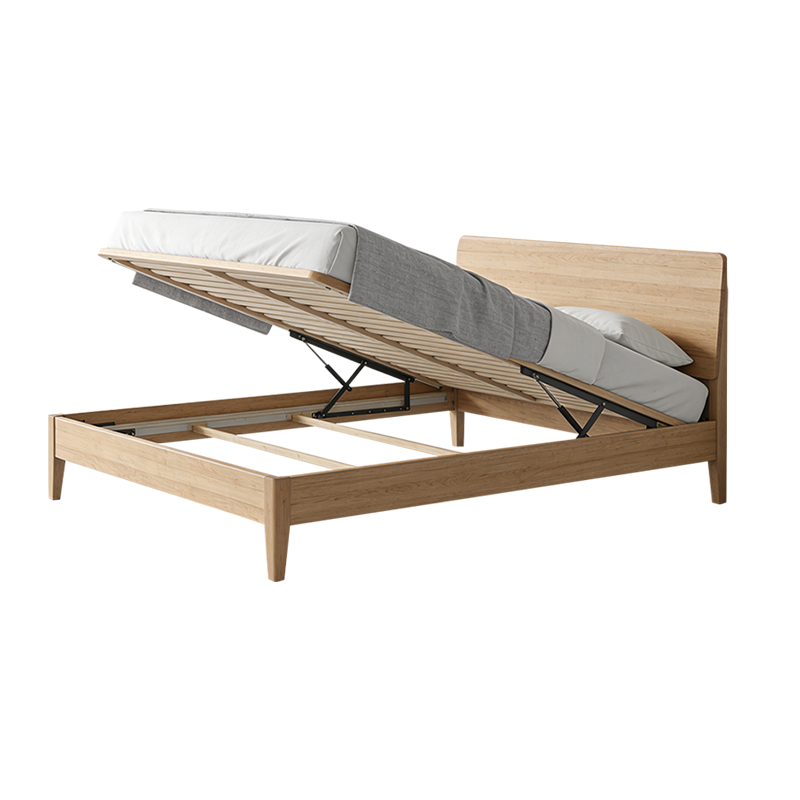 Furniture Gas Spring
Choosing a gas spring is not simply a matter of picking a force number from a catalog. The correct gas spring must match the real geometry and movement requirements of the product. Two applications with the same panel weight may require different force values because the hinge position, installation angle, center of gravity, and working stroke can all change how the load behaves. This is why proper gas spring selection begins with the application itself, not just the product list.
Force is the first parameter buyers usually ask about, but it should be understood in context. The nominal force of a gas spring is typically measured under defined conditions. In actual installation, the effective lifting or supporting performance depends on leverage and movement angle. A gas spring mounted close to the hinge behaves very differently from one mounted farther away, even if the nominal force is the same. As a result, the right force must be chosen based on the application structure and target operating feel.
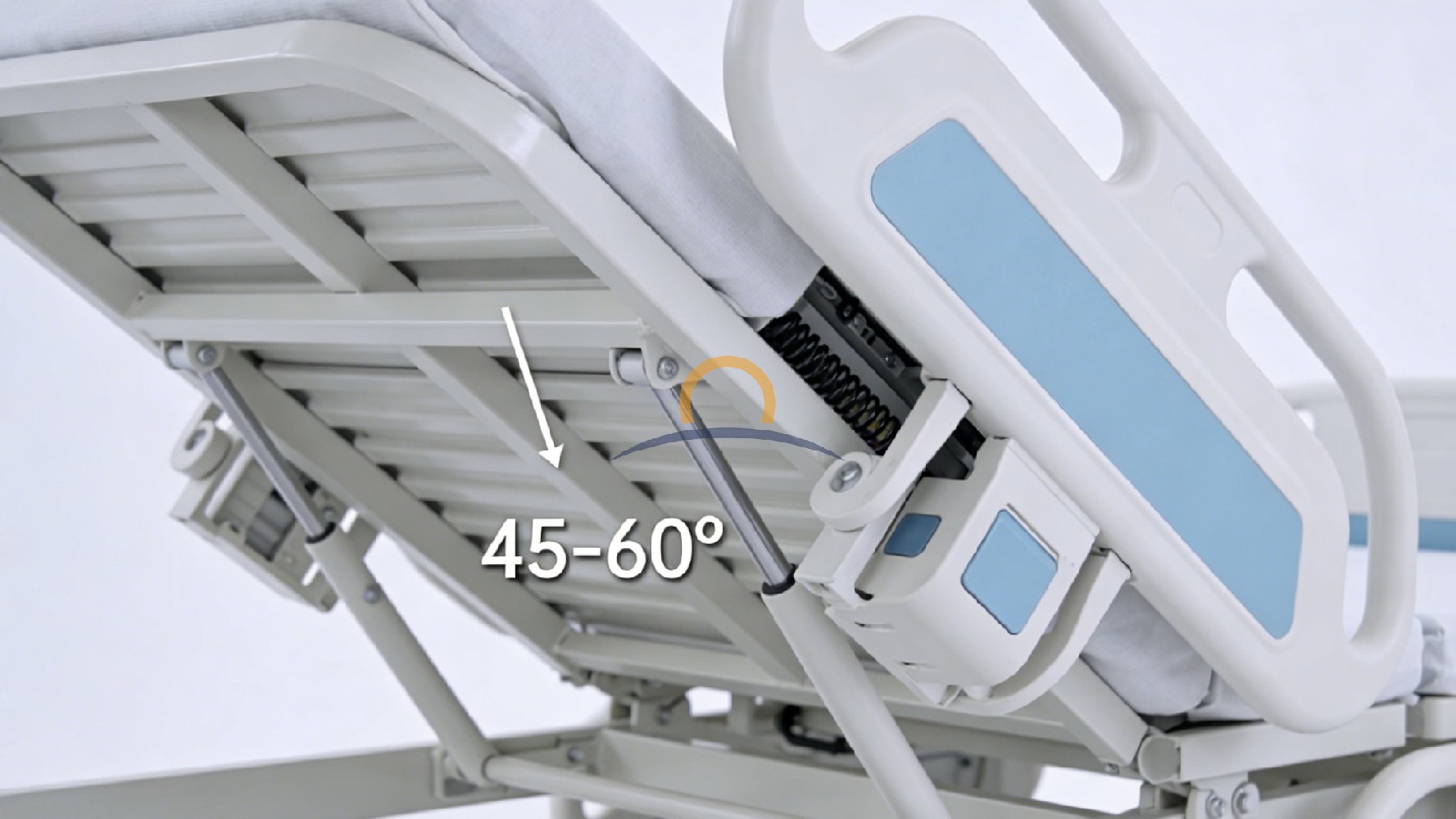
Stroke is equally important. Stroke determines how far the rod can move, and it must be suitable for the required opening or adjustment range. If the stroke is too short, the moving part may not open enough. If it is too long, the geometry may become unstable, installation may be difficult, or the gas spring may not perform correctly through the motion path. Extended length and compressed length also need to be considered together with the available mounting space.
When selecting a gas spring, buyers should review several key factors: the weight of the moving part, hinge location, center of gravity, target opening angle, available installation space, required operating feel, cycle expectations, environmental conditions, and end fitting requirements. If the gas spring will be used in a corrosive or hygiene-sensitive environment, material selection also becomes important. If controlled positioning is needed, a lockable gas spring may be more suitable than a standard type.
For B2B projects, drawings or installation sketches are extremely helpful. A supplier can give better recommendations when the customer provides dimensions, mounting points, load information, and application photos or 3D references. In many cases, customization is the most efficient path because the final product needs a specific combination of force, stroke, fittings, and material choice.
Good gas spring selection improves product usability, while poor selection creates problems that are felt immediately in real operation. A panel may open too quickly, fail to stay open, require too much closing effort, or create an unbalanced motion impression. For this reason, buyers should avoid treating gas spring choice as a simple commodity decision. The most reliable approach is to select according to the real working conditions and verify the result through practical testing or engineering review.