
 Automotive Gas Spring
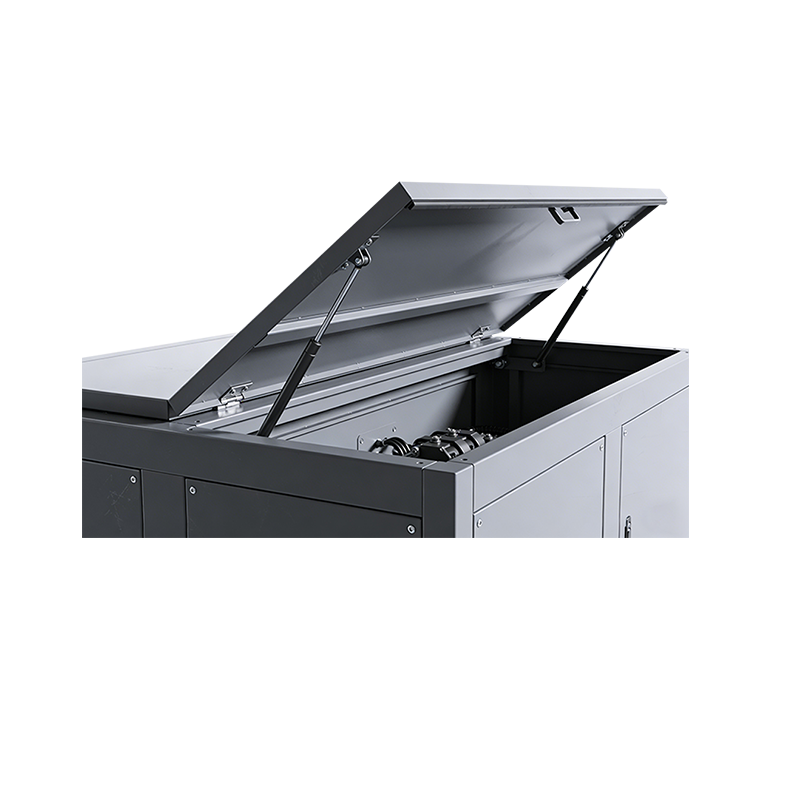 Industrial Gas Spring
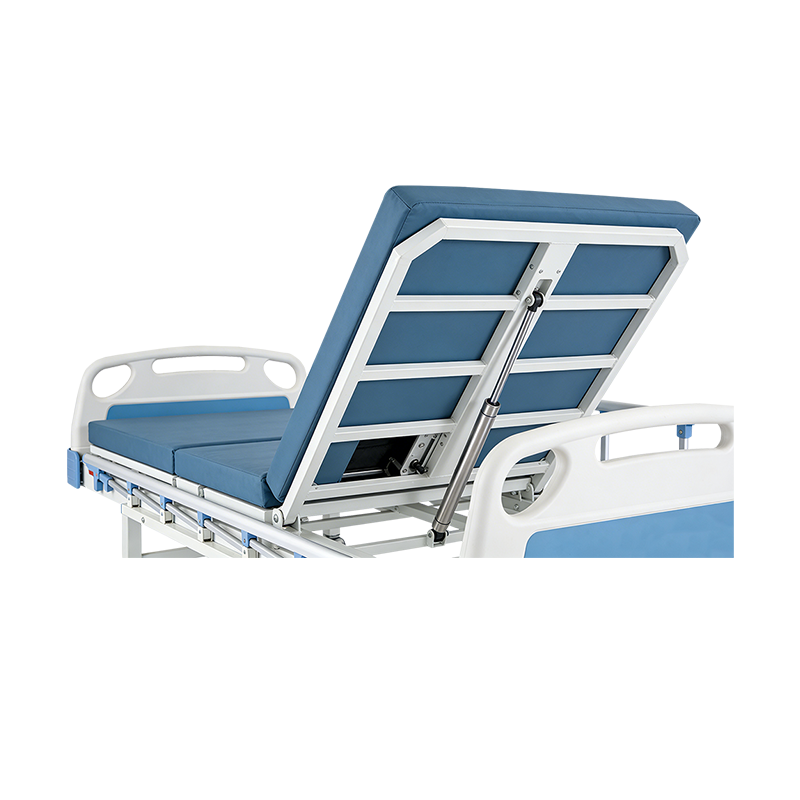 Medical Gas Spring
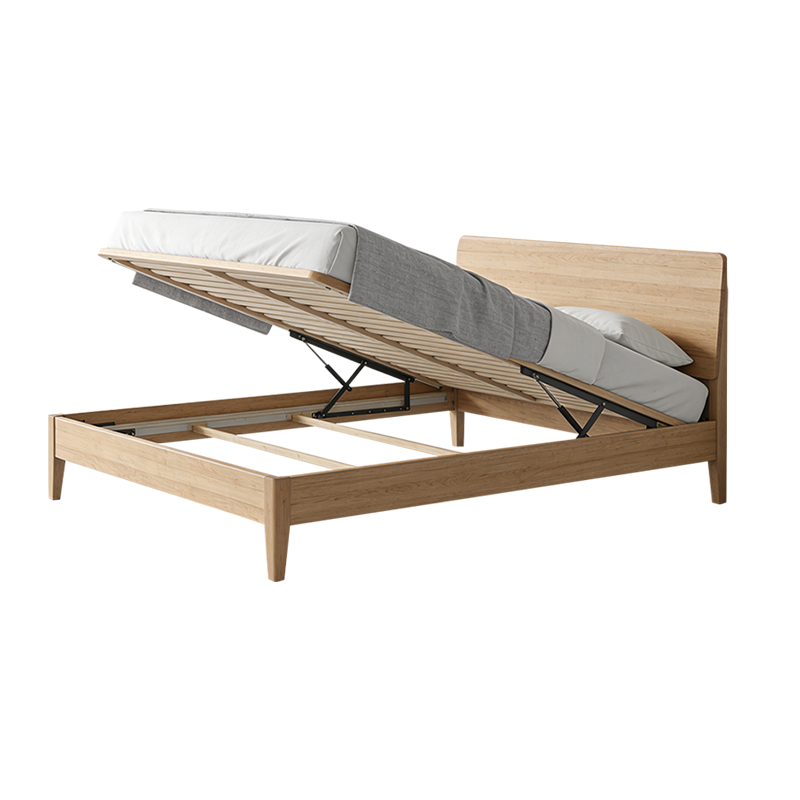 Furniture Gas Spring
Gas springs are motion control components designed to help lift, lower, support, and position moving parts in a controlled way. In practical use, they reduce manual effort, improve convenience, and make lids, covers, panels, doors, and adjustable structures easier and safer to operate. A gas spring usually consists of a pressure tube, piston rod, piston assembly, sealing system, and end fittings. Inside the tube, compressed gas generates force, while the internal structure guides the rod movement and helps create stable motion support.
The basic function of a gas spring is straightforward: when force is applied to compress the rod, the gas inside the tube is compressed. When the load is released or the geometry changes during operation, the stored energy helps extend the rod and support movement. This controlled extension is what makes gas springs widely used in products that require lifting assistance or smooth opening support. Typical examples include automotive hoods and tailgates, machine covers, cabinet doors, storage beds, hospital beds, and treatment tables.

Compared with simple mechanical stays or rigid supports, gas springs offer several practical advantages. They create a cleaner structure, reduce the effort needed to operate the moving part, and improve the user experience by making motion feel smoother and more controlled. When properly selected, a gas spring can also help reduce stress on hinges and improve operator safety by preventing heavy components from dropping too quickly.
In product development, gas spring selection is not only about force. Engineers and buyers also look at stroke, extended length, compressed length, mounting points, installation angle, operating temperature, and service environment. The real working force experienced in an application depends on geometry and leverage, so a gas spring should always be chosen according to the actual installation conditions rather than by catalog force alone. This is one reason why customization is important in many B2B projects.
Gas springs are commonly divided into standard gas springs, lockable gas springs, stainless steel gas springs, and special designs for specific environments or functions. Standard gas springs remain the most widely used type because they suit a large number of lifting and support tasks. Lockable gas springs are used when controlled positioning is required. Stainless steel gas springs are selected for environments where corrosion resistance matters more, such as medical, marine, food, or humid applications.
For global equipment manufacturers, furniture producers, automotive parts buyers, and medical device companies, gas springs are valuable because they combine compact design with dependable motion support. A well-matched gas spring improves the final product, while a poorly matched one can lead to uncomfortable operation, unreliable holding performance, or premature wear. This is why working with a supplier that understands force matching, stroke selection, fittings, materials, and application conditions is important for long-term product reliability.